
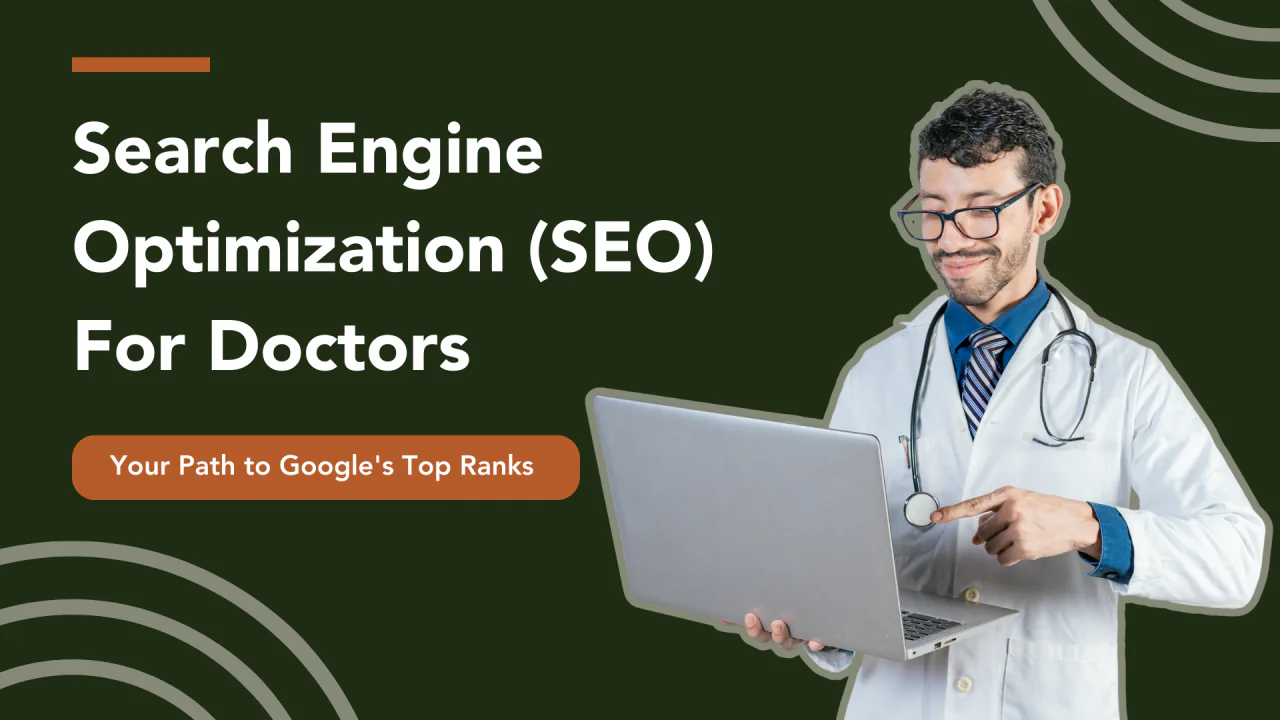
Search Engine Optimization (SEO) for Medical Practices: Your Path to Google's Top Ranks
In this ever-evolving digital age, establishing a thriving medical practice requires more than just medical expertise. It’s about connecting with your patients where they are – online.
Picture this: a potential patient, let’s call her Sarah, is searching for a reliable cardiologist in her area. She types “best cardiologist in Dubai” into her search bar, and magically, your practice’s name pops up on the first page of Google’s search results. How did that happen? The answer is SEO magic!
Diagnose Your Online Presence: To embark on your SEO journey, begin by diagnosing your current online presence. Audit your website – is it user-friendly, informative, and up-to-date? Ensure that essential medical information is readily accessible to your patients.
Keywords are Your Best Medicine : Keywords are like the vital signs of SEO. Identify the words or phrases patients often use when searching for healthcare services. Incorporate these keywords naturally into your website’s content. For instance, if you’re a dermatologist, focus on terms like “skin clinic,” “dermatology specialist,” or “acne treatment.” But remember, just like prescribing medication, the right dosage (keyword frequency) is crucial.
Dose Up Your Local SEO: As a medical practitioner, your primary clientele is local. So, boost your Local SEO to ensure your practice shows up when patients nearby are in need. Register your practice on Google My Business and provide accurate location details, working hours, and contact information. This not only enhances your visibility but also gives patients easy access to the care they seek.
Patient Testimonials – Your Online Reputation: In the medical realm, reputation is everything. Encourage satisfied patients to leave reviews and testimonials on platforms like Google and Yelp. Positive feedback not only boosts your credibility but also helps your SEO efforts, as search engines recognize your practice as a reliable choice.
Building Trust through Content: Create blog posts, videos, or infographics that address common medical queries, share health tips, or shed light on recent advancements in your field. Establish yourself as a thought leader in your speciality, and watch as patient trust flourishes.
Monitoring and Adaptation: Just as you carefully monitor a patient’s progress, keep a watchful eye on your SEO metrics. Tools like Google Analytics offer insights into your website’s performance, allowing you to fine-tune your strategy for optimal results. Stay updated with the latest SEO trends and algorithm changes to stay ahead in the digital game.
In the world of SEO, remember the heart of your medical practice – your patients. Every step you take should ultimately benefit them. Your website should be a hub of knowledge, a haven of trust, and a platform to extend your healing touch beyond the confines of your physical practice.
As you embark on this digital journey, remember that just like treating patients requires patience, SEO success takes time. But the reward is immense – a strong online presence, a growing patient base, and a fulfilling medical practice that thrives.
Stay healthy, Stay optimized!
1. Educational Outreach: Empowering Patients with Knowledge
As trusted healthcare professionals, your patients rely on you not only for treatment but also for guidance. Email marketing allows you to deliver educational content directly to your patients’ inboxes. Consider sending out newsletters or informative articles about current health topics, the latest medical advancements, and tips for maintaining a healthy lifestyle. By providing reliable and valuable information, you establish your practice as a go-to resource for health-related concerns, thereby increasing patient trust and engagement.
2. Appointment Reminders and Follow-ups: Enhancing Patient Compliance
No-shows and missed appointments can disrupt patient care and strain your practice’s resources. Email marketing can play a crucial role in reducing these instances by sending appointment reminders and follow-up messages. These gentle nudges not only improve patient compliance but also demonstrate your commitment to their well-being. Moreover, personalized follow-ups after appointments foster a sense of care and encourage patients to reach out in case they have any concerns or queries.
3. Health Tips and Personalized Advice: Tailoring Care
Each patient is unique, and their health needs may differ. Email marketing allows you to send personalized health tips, advice, and recommendations based on their medical history and preferences. From diet suggestions to exercise routines, these tailored emails demonstrate your commitment to their individual well-being and showcase your practice’s patient-centric approach.
4. Health Campaigns and Awareness Initiatives: Making a Positive Impact
Engage your patients in health campaigns and awareness initiatives through email marketing. For instance, during flu season, you could send out emails promoting the importance of vaccination. Sharing success stories, patient testimonials, and community outreach efforts can inspire patients to actively participate in their own healthcare.
5. Updates on Services and Offerings: Fostering Patient Loyalty
Keep your patients informed about new services, treatments, or technologies that your practice introduces. By sending out emails detailing these updates, you not only educate your patients but also give them reasons to remain loyal to your practice. Transparency about the range of services you offer can also lead to cross-promotion, where patients may discover new solutions they weren’t previously aware of.
6. Interactive Surveys and Feedback: Enhancing Patient Experience
Emails can also serve as a valuable medium for gathering patient feedback through surveys and polls. By inviting patients to share their opinions and suggestions, you show that their input matters. Act upon the feedback you receive, as this demonstrates your dedication to continuously improving the patient experience.
Email marketing is more than just a tool for communication; it’s a bridge that connects doctors and patients on a deeper level. By leveraging its potential, medical practices can strengthen patient relationships, provide value beyond clinical care, and cultivate a community of informed and engaged individuals. Remember, the heart of healthcare lies in the relationships you build, and email marketing can help you nurture those connections with warmth and authenticity.